
Keep Your Body Active to Prevent Pelvic Stagnation
Stop congestion in the male pelvic area through regular movement, exercise, and healthy lifestyle choices
Learn More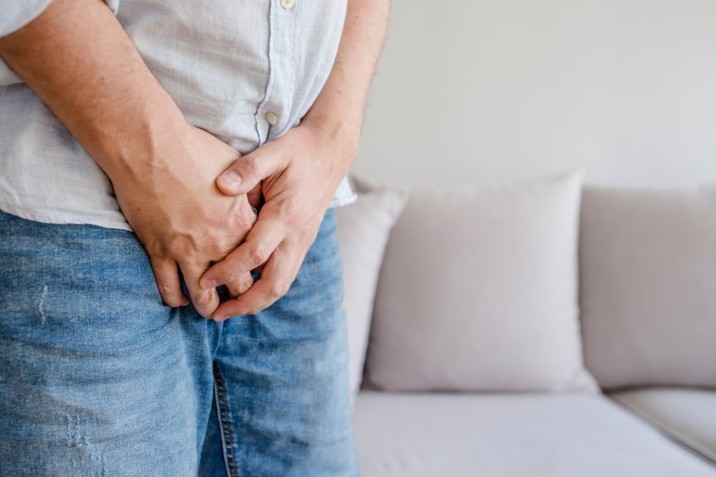
Understanding Pelvic Area Stagnation
Congestion in the male pelvic region develops when fluids and secretions accumulate instead of draining naturally. This happens mainly in men who sit for many hours without moving, which prevents the natural flow and drainage that keeps the area healthy.
The condition builds up gradually when lack of physical activity and prolonged sitting position restrict circulation to the lower body. Regular movement, exercise, and maintaining an active lifestyle are essential to prevent this accumulation and keep everything functioning properly.
Daily Prevention Timeline
Morning Activation
Start each day with 10-15 minutes of light exercise or walking. This activates circulation in the pelvic area and helps clear any overnight accumulation, setting a healthy pattern for the day.
Work Break Routine
Stand and move every 1-2 hours during work. Walk around, do squats, or climb stairs for 3-5 minutes. This prevents fluid buildup from prolonged sitting and maintains healthy drainage throughout the pelvic region.
Evening Exercise
Spend 20-30 minutes on activities like walking, swimming, or cycling. This clears any congestion that built up during the day and engages pelvic floor muscles that support proper drainage.
Core Prevention Strategies
Avoid Prolonged Sitting
Sitting for more than 1-2 hours without movement creates pressure on the pelvic area and restricts natural drainage. Set alarms to remind yourself to stand and move regularly throughout the day.
Daily Physical Activity
Walking, jogging, swimming, and cycling engage the lower body muscles that help maintain proper flow in the pelvic region. Aim for at least 30 minutes of activity daily to prevent stagnation.
Prevent Constipation
Constipation increases pressure in the pelvic area, worsening congestion problems. Eat plenty of vegetables, fruits, and whole grains to maintain regular bowel movements and reduce pelvic strain.
Stay Hydrated
Drinking adequate water helps maintain proper fluid balance and supports the body's natural drainage systems. Keep hydrated throughout the day to prevent fluid from becoming thick and sluggish.
Avoid Overheating
Excessive heat in the pelvic region from hot baths, saunas, or tight clothing can worsen congestion. Keep the area at comfortable temperature and avoid prolonged exposure to high heat.
Maintain Healthy Weight
Being overweight puts extra pressure on the pelvic area and contributes to congestion problems. Maintaining healthy body weight through balanced diet and exercise reduces this pressure significantly.
Managing Desk Work
Men with office jobs face the highest risk of developing pelvic congestion. Sitting at a desk for hours creates continuous pressure on the pelvic region and restricts the natural muscle movements that support healthy drainage.
Use a standing desk or desk converter to alternate positions throughout the day. Walk during phone calls, take stairs instead of elevators, and do simple pelvic floor exercises like squats or leg raises during breaks to maintain activity.

Important Prevention Factors
Early warning signs include feelings of heaviness, pressure, or discomfort in the lower pelvic area. These symptoms often become more noticeable after sitting for long periods or at the end of a workday when congestion has accumulated.
Regular intimate relations with a steady partner helps maintain healthy drainage in the pelvic region by naturally promoting fluid movement. However, balance matters—both extended periods without activity and excessive frequency can contribute to congestion issues.
Men over 40 should have annual health check-ups that include discussion of pelvic health. Early lifestyle adjustments are much more effective than dealing with advanced congestion problems later.
Real Results From Real People
"Working in IT meant sitting 8-9 hours daily. I started feeling constant pressure and discomfort. After learning about pelvic congestion prevention, I began taking hourly breaks to walk and stretch. The improvement in just a few weeks was incredible."
— Bilal H., Karachi
"Understanding how sedentary lifestyle causes pelvic congestion changed my approach completely. I started doing squats and pelvic floor exercises during work breaks, increased my walking, and added more fiber to my diet. The difference is remarkable."
— Kamran F., Lahore
"Years of desk work created problems I didn't recognize. Learning about preventing pelvic congestion through movement was eye-opening. Getting a standing desk and taking regular walking breaks eliminated the discomfort I thought was just normal."
— Saeed M., Islamabad
Request Information
Reach Us
Email Address
hello (at) wojuxa.icu
Location
Plaza 45, Main Boulevard, Gulberg III, Lahore, Pakistan
Phone
+92 42 358 1926
Frequently Asked Questions
How does prolonged sitting cause pelvic congestion?
Sitting for long periods puts constant pressure on the pelvic area and restricts the muscle activity needed for proper drainage. Without regular movement, fluids and secretions accumulate instead of flowing naturally, leading to congestion over time.
What exercises help prevent pelvic area stagnation?
Squats, pelvic floor exercises, walking, swimming, and cycling are most effective. These activities engage the muscles around the pelvic region that support natural drainage. Even simple movements like standing and stretching every hour make a significant difference.
Why is diet important for preventing congestion?
Foods high in fiber prevent constipation, which reduces pressure on the pelvic area. Vegetables, fruits, and whole grains support regular bowel movements. Limiting spicy foods, caffeine, and alcohol helps reduce irritation and supports overall pelvic health.
When should I consult a healthcare provider?
Seek medical advice if you experience persistent discomfort, noticeable pressure, or changes that concern you. Regular check-ups after age 40 are recommended to monitor pelvic health and catch potential issues early when they're easier to address.
How soon will lifestyle changes show results?
Many men notice reduced discomfort within 2-4 weeks of implementing regular movement breaks, exercise, and other prevention strategies. Complete improvement typically takes 2-3 months of maintaining these healthier habits consistently.